Lots of studies show warming affected Hurricane Melissa. Is that confusing?
Nov 21, 2025 | Source: politicopro.com





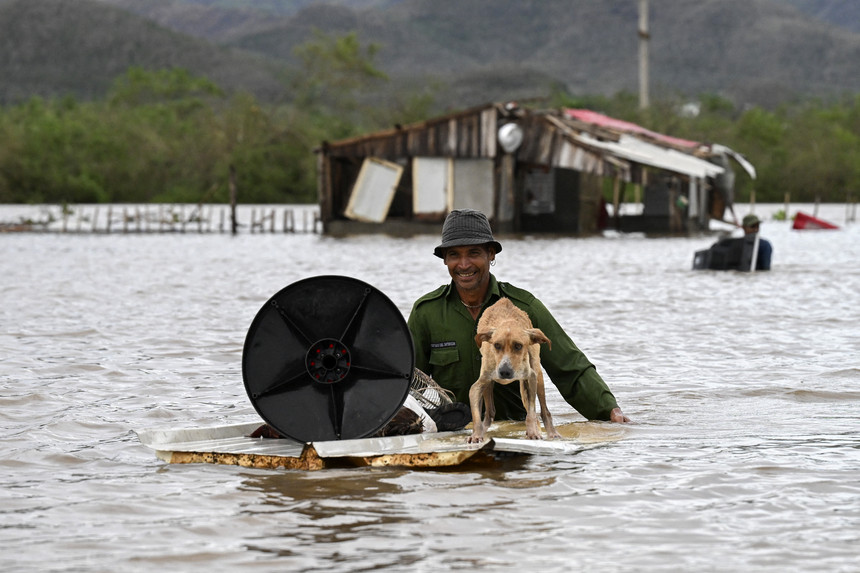
CLIMATEWIRE | One study after another has come to the same conclusion over the past two weeks: Hurricane Melissa, the strongest storm of the Atlantic hurricane season, was worsened by climate change.
But each paper takes a different approach and presents its results in a unique way — potentially sowing public confusion, according to some researchers, who say that's a growing risk in the swiftly expanding field of extreme event attribution science.
Attribution science, in which the links between global warming and individual weather events are investigated, has advanced in the past two decades, allowing scientists to analyze granular aspects of disasters like tropical cyclones, floods and wildfires. In the case of hurricanes, they can examine the influence of climate change on everything from wind speeds and precipitation to the storm’s odds of occurring in the first place. They can even parse the disaster’s damages that are directly attributable to global warming.
In theory, these myriad avenues open up new ways to convey the dangers of rising temperatures to the public. But science communicators should present the findings carefully, researchers warn. When different studies take different angles on the climate change question, their findings can get confusing.



 We couldn’t find an account matching the username and password